Mental health disorders are medical conditions that affect a person's thinking, feeling, mood, or behaviour. These conditions can significantly impact how individuals cope with daily life, work, and relationships. Unlike temporary emotional responses to life events, mental health disorders are persistent conditions that require professional attention and appropriate treatment.
Common symptoms and warning signs include persistent feelings of sadness or anxiety, extreme mood changes, withdrawal from social activities, difficulty concentrating, changes in eating or sleeping patterns, and thoughts of self-harm. It's crucial to recognise that these symptoms can vary greatly between individuals and different conditions.
Professional diagnosis and treatment are essential for managing mental health conditions effectively. A qualified healthcare provider can properly assess symptoms, rule out other medical causes, and develop an appropriate treatment plan. Mental health affects every aspect of daily life, from work performance and social relationships to physical health and overall quality of life.
You should seek medical help if symptoms persist for more than two weeks, interfere with daily activities, or cause distress. Early intervention often leads to better outcomes and can prevent conditions from worsening.
Anxiety disorders are among the most common mental health conditions in the UK, affecting millions of people. These disorders go beyond normal worry or stress and can severely impact daily functioning.
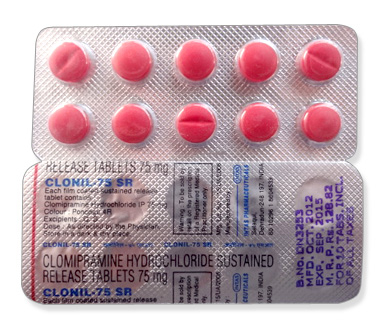
The main types include generalised anxiety disorder (GAD), which involves excessive worry about various life aspects; panic disorder, characterised by sudden, intense fear episodes; and social anxiety disorder, involving fear of social situations and judgement from others. Each type presents unique challenges and symptoms.
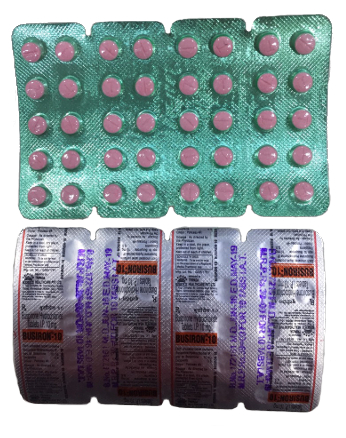
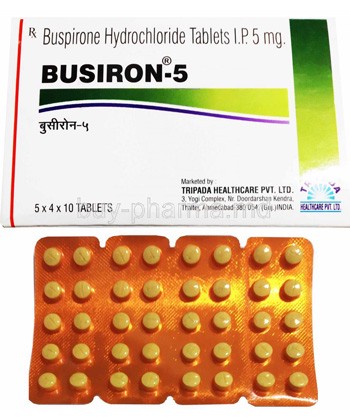
Several effective medications are available through the NHS and private prescriptions:
Treatment approaches combine medication with psychological therapies like cognitive behavioural therapy (CBT). All anxiety medications require prescription from a qualified healthcare provider. Regular monitoring is essential, particularly with benzodiazepines due to dependency risks. Lifestyle management, including regular exercise, stress reduction techniques, and avoiding caffeine, can significantly complement medical treatment.
Depression and mood disorders affect millions of people across the UK, representing some of the most common mental health conditions. Understanding the different types and available treatments is crucial for effective management and recovery.
Depression manifests in various forms, each requiring tailored treatment approaches. Major depressive disorder is characterised by persistent feelings of sadness, hopelessness, and loss of interest in daily activities. Bipolar disorder involves alternating episodes of depression and mania, creating significant mood swings that can severely impact daily functioning. Seasonal affective disorder (SAD) typically occurs during autumn and winter months when natural light exposure decreases, particularly common in northern regions of the UK.
Early recognition of symptoms such as persistent low mood, fatigue, sleep disturbances, and changes in appetite is essential for timely intervention. The severity can range from mild to severe, often requiring professional assessment to determine appropriate treatment pathways.
The MHRA has approved several categories of antidepressant medications available in the UK:
Treatment typically requires 6-12 months minimum, with regular monitoring essential. Combining medication with psychological therapies like CBT often provides optimal outcomes, addressing both chemical imbalances and underlying psychological factors contributing to depression.
ADHD affects both children and adults throughout the UK, presenting as persistent patterns of inattention, hyperactivity, and impulsivity that interfere with daily functioning. Whilst often diagnosed in childhood, many adults discover they have ADHD later in life, particularly when seeking help for related difficulties.
The three core symptoms of ADHD include difficulty sustaining attention, excessive hyperactivity, and impulsive behaviour. These symptoms must be present across multiple settings and significantly impact academic, occupational, or social functioning to warrant diagnosis.
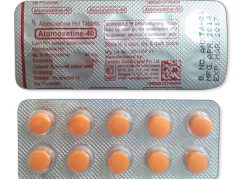
UK-licensed ADHD treatments include stimulant medications such as methylphenidate (Ritalin, Concerta XL) and non-stimulant alternatives like atomoxetine (Strattera). These medications require specialist prescription and careful monitoring for effectiveness and side effects.
ADHD medication requires initial assessment by specialist services, typically through NHS ADHD clinics or private psychiatrists. Following diagnosis, regular monitoring appointments ensure optimal dosing and assess treatment response, with ongoing prescription management often shared between specialists and GPs.
Sleep and mental health share a bidirectional relationship, where poor sleep can exacerbate mental health conditions, whilst anxiety and depression frequently disrupt normal sleep patterns. Quality sleep is essential for emotional regulation, cognitive function, and overall psychological wellbeing.
UK pharmacies stock various sleep aids to address different sleep difficulties:
Non-medication approaches include maintaining consistent sleep schedules, creating optimal sleep environments, and limiting screen time before bedtime. Sleep medications should only be used short-term under medical supervision, as dependency and tolerance can develop with prolonged use.
NHS mental health support begins with GP consultations, leading to referrals for talking therapies, community mental health teams, or specialist services. Self-referral options exist for many areas through NHS Talking Therapies services, providing accessible psychological support.
UK pharmacies provide essential mental health medication services including:
Mental health support extends beyond medication through charity helplines, peer support groups, and online resources. Regular medication reviews with healthcare providers ensure treatments remain effective and appropriate. Crisis support is available through NHS 111, Samaritans, and local mental health crisis teams, providing 24-hour assistance when needed.