Asthma is a chronic respiratory condition that affects the airways in your lungs, causing them to become inflamed, narrow, and produce excess mucus. This makes breathing difficult and can trigger coughing, wheezing, and shortness of breath. In the UK, asthma affects approximately 5.4 million people, making it one of the most common long-term conditions.
The most common symptoms include persistent coughing (particularly at night or early morning), wheezing sounds when breathing, chest tightness or pain, and breathlessness during normal activities. These symptoms can vary in intensity and may worsen during asthma attacks.
Common triggers in the UK environment include house dust mites, pollen (particularly during hay fever season), cold damp weather, air pollution, and respiratory infections. You should seek immediate medical attention if you experience severe breathlessness, inability to speak in full sentences, blue lips or fingernails, or if your reliever inhaler isn't providing relief.
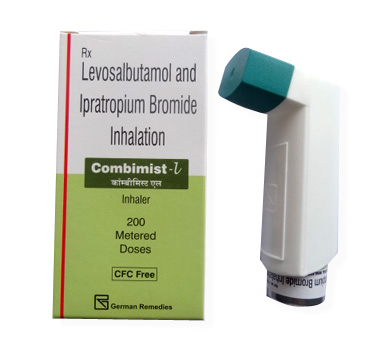
Reliever medications, also known as bronchodilators, are essential quick-relief treatments designed to provide immediate relief during asthma symptoms or attacks. These medications work by relaxing the muscles around the narrowed airways, allowing them to open up and making breathing easier within minutes of use.
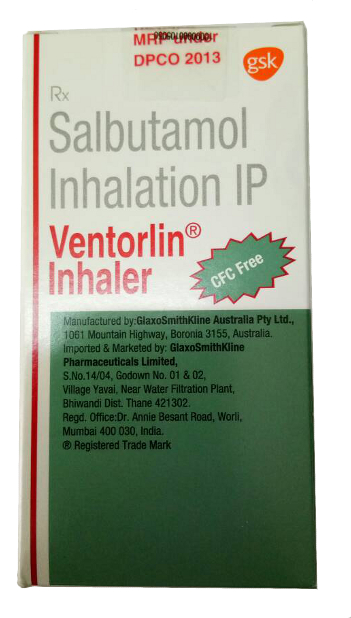
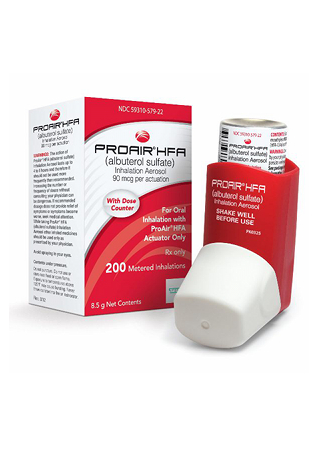
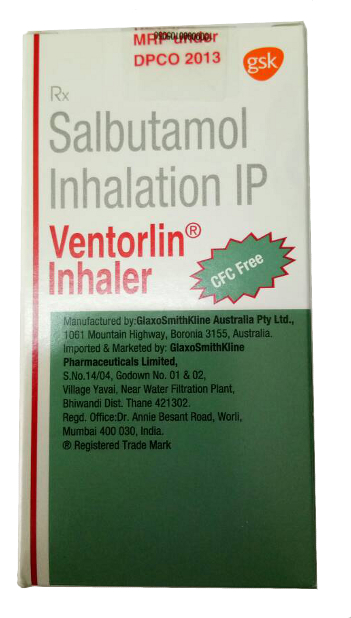
Salbutamol is the most widely prescribed reliever medication in the UK, available under brand names such as Ventolin and Airomir. This short-acting beta-agonist (SABA) provides rapid relief and is typically the first-line treatment for acute asthma symptoms. Terbutaline, marketed as Bricanyl, serves as an effective alternative bronchodilator with similar rapid-acting properties.
These medications should be used when you experience asthma symptoms such as wheezing, coughing, chest tightness, or breathlessness. It's crucial to use the correct inhaler technique:
Warning signs that your reliever medication isn't working effectively include:
Preventer medications, also known as controller therapy, form the cornerstone of long-term asthma management in the UK. These medications are designed for daily use to reduce airway inflammation and prevent asthma symptoms from occurring, rather than treating them after they develop.
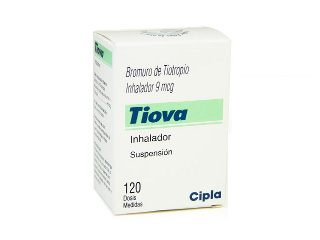
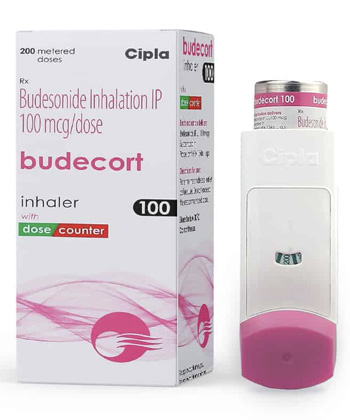
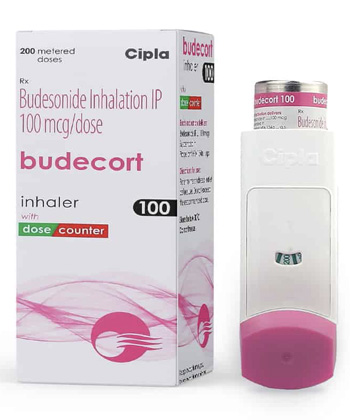
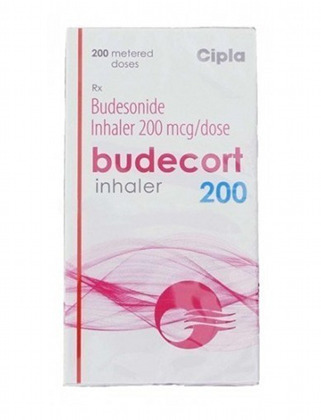
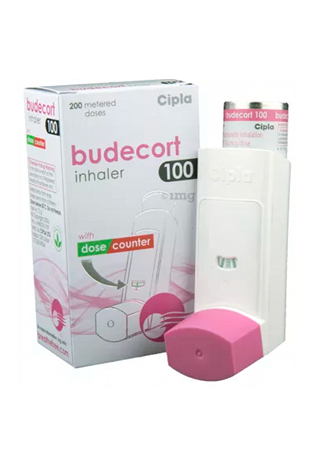
The most commonly prescribed preventer medications are inhaled corticosteroids, which are highly effective at reducing airway inflammation.
Popular options available through UK pharmacies include:
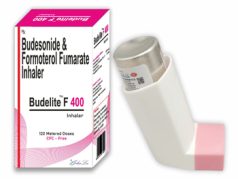
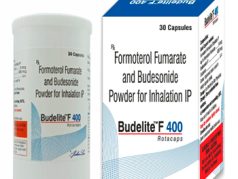
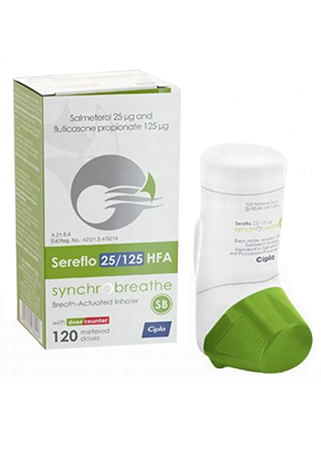
For patients requiring additional bronchodilator therapy, combination inhalers provide both steroid and long-acting bronchodilator in a single device. Seretide combines fluticasone with salmeterol, whilst Symbicort contains budesonide and formoterol. These medications offer convenient dosing and improved compliance.
It's crucial to understand that preventer medications must be taken daily, even when feeling well, to maintain their protective effect. Many patients have concerns about using steroid medications long-term; however, inhaled corticosteroids have an excellent safety profile when used as directed, with minimal systemic absorption and side effects typically limited to local throat irritation, which can be reduced by using a spacer device and rinsing the mouth after use.
The effectiveness of asthma medication depends significantly on proper delivery to the lungs. The UK market offers various inhaler devices, each designed to suit different patient needs and capabilities.
Metered-dose inhalers (MDIs) are the most traditional format, delivering a precise dose of medication with each actuation. These can be used alone or with spacer devices, which improve drug delivery and reduce the need for perfect coordination between actuation and inhalation.
Dry powder inhalers (DPIs) include popular systems such as Turbohaler and Accuhaler devices. These are breath-activated and don't require the coordination needed with standard MDIs, making them suitable for patients who struggle with traditional inhalers.
Correct inhaler technique is essential for optimal treatment outcomes.
Common mistakes include:
Regular cleaning and maintenance of inhaler devices ensures consistent medication delivery. Spacer devices should be washed weekly in warm soapy water and left to air dry, whilst inhaler mouthpieces should be wiped clean regularly to prevent blockages.
Montelukast tablets offer an alternative approach to asthma control by blocking inflammatory substances called leukotrienes. These medications are particularly useful for patients who experience exercise-induced asthma or have allergic triggers. Available on prescription, montelukast is typically taken once daily in the evening and can be especially beneficial for children and adults who struggle with inhaler techniques.
Antihistamines play a crucial role in managing allergy-related asthma symptoms, helping to reduce reactions to pollen, dust mites, and pet dander. Peak flow metres are essential monitoring tools that allow patients to track their lung function at home, providing early warning signs of deteriorating asthma control.
Additional treatments are typically recommended when standard inhaler therapy doesn't provide adequate control, when specific allergic triggers are identified, or during severe asthma episodes requiring intensive management.
Working with your GP or asthma nurse to develop a personalised asthma action plan is fundamental to effective management. This written plan outlines your daily medications, recognises warning signs, and provides clear instructions for handling worsening symptoms. Regular reviews ensure your treatment remains optimal as your condition or lifestyle changes.
Identifying personal asthma triggers is essential for long-term control. Common UK triggers include cold air, pollen during hay fever season, and indoor allergens. Keeping an asthma diary can help pinpoint patterns and problematic situations.
Contact your GP if you're using your reliever inhaler more than three times weekly, experiencing night-time symptoms, or if your peak flow readings are declining. Seek emergency care immediately if you experience severe breathlessness, inability to speak in full sentences, or if your reliever inhaler isn't helping. Asthma + Lung UK provides excellent support resources and local groups throughout the UK for ongoing assistance.