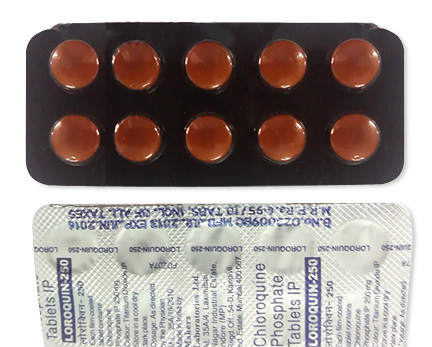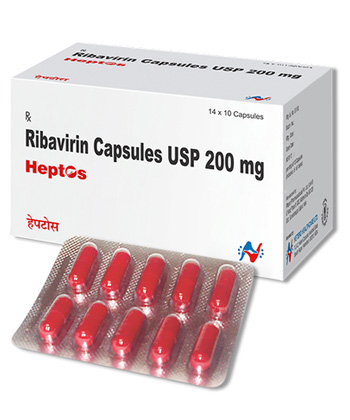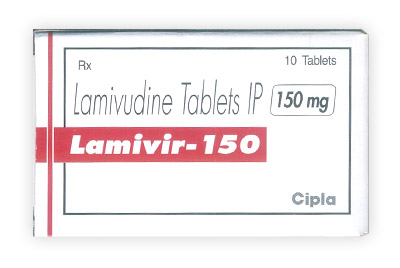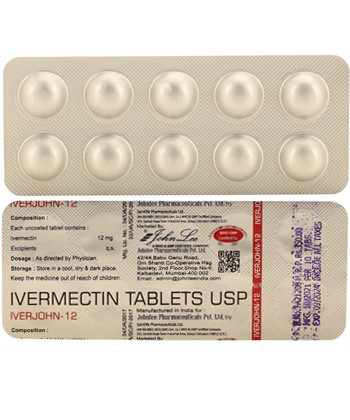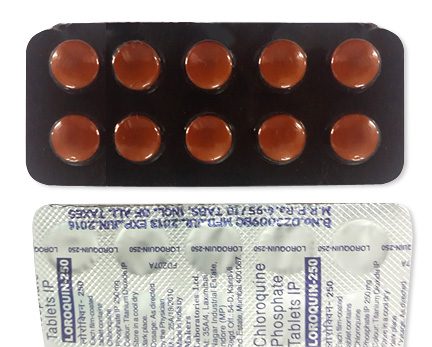
Antiviral medicines are prescription drugs specifically designed to combat viral infections by interfering with the virus's ability to replicate within your body. Unlike treatments that merely mask symptoms, antivirals target the virus directly, either by preventing it from entering healthy cells, disrupting its reproduction process, or stopping the release of new viral particles. These medications work by exploiting differences between viral and human cellular processes, allowing them to selectively attack the infection whilst minimising damage to your body's own cells.
It's crucial to understand that antivirals are distinctly different from antibiotics, which only treat bacterial infections and are completely ineffective against viruses. Whilst antibiotics destroy bacteria or prevent their growth, antivirals specifically target viral replication mechanisms. Pain relievers and symptom-reducing medications provide comfort but don't address the underlying viral infection. This distinction is vital because using the wrong type of medication can delay proper treatment and potentially lead to complications or antibiotic resistance.
Different antiviral medications are designed to combat specific types of viruses through targeted mechanisms. Some antivirals prevent viruses from attaching to or entering cells, whilst others interfere with viral DNA or RNA replication. Certain medications block the assembly of new viral particles or prevent their release from infected cells. This specificity means that an antiviral effective against influenza won't necessarily work against herpes viruses, requiring precise diagnosis and appropriate medication selection.
Healthcare professionals prescribe antivirals when viral infections pose significant health risks, cause severe symptoms, or affect vulnerable patients such as the elderly, immunocompromised individuals, or pregnant women. They're also recommended when early intervention can prevent complications or reduce transmission to others. Your GP or pharmacist will assess your symptoms, medical history, and risk factors before determining if antiviral treatment is appropriate.
Starting antiviral treatment within the first 48 hours of symptom onset typically yields the best results, as this is when viral replication is most active. Proper medical diagnosis ensures you receive the correct antiviral medication for your specific viral infection, maximising treatment effectiveness and minimising potential side effects.
Seasonal influenza affects millions across the UK each winter, with antiviral medications like oseltamivir (Tamiflu) and zanamivir proving effective when administered early. These treatments can reduce symptom duration by 1-2 days and decrease the severity of fever, body aches, and respiratory symptoms. During flu outbreaks, antivirals may also be prescribed prophylactically to high-risk individuals or healthcare workers. The NHS often prioritises antiviral treatment for patients over 65, pregnant women, and those with underlying health conditions such as asthma, diabetes, or heart disease.
HSV infections affect a significant portion of the UK population, with antivirals like aciclovir, valaciclovir, and famciclovir providing effective management. These medications can reduce the frequency and severity of outbreaks, speed healing of lesions, and decrease viral shedding. For individuals with frequent recurrences, suppressive therapy may be recommended to prevent outbreaks and reduce transmission risk to partners. Early treatment during the first episode is particularly important to prevent complications.
Shingles, caused by reactivation of the varicella-zoster virus, responds well to antiviral treatment when started within 72 hours of rash appearance. Antivirals can significantly reduce pain duration, prevent post-herpetic neuralgia, and speed recovery. In adults with chickenpox or immunocompromised children, antiviral therapy may be necessary to prevent serious complications.
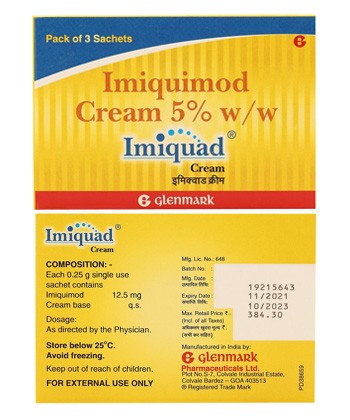
Both oral and genital herpes outbreaks benefit from prompt antiviral treatment, which can reduce healing time and symptom severity. Topical treatments are available for mild cold sores, whilst oral antivirals are preferred for genital herpes and severe facial outbreaks.
Oseltamivir, commonly known as Tamiflu, is a prescription antiviral medication specifically designed to combat influenza A and B viruses. This neuraminidase inhibitor works by preventing the virus from spreading within your body, significantly reducing the severity and duration of flu symptoms when taken within 48 hours of onset. Tamiflu is also prescribed for flu prevention in high-risk individuals or during outbreaks, making it an essential tool in managing seasonal influenza across the UK.
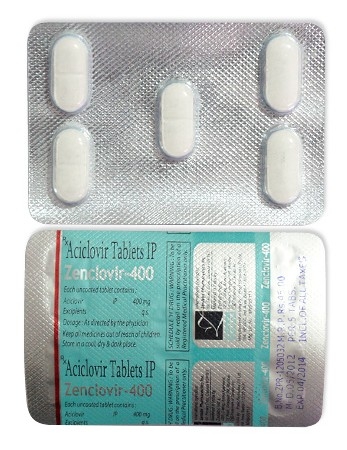
Aciclovir is the first-line treatment for herpes simplex virus infections, available in both oral tablet and topical cream formulations. The tablets are particularly effective for treating genital herpes outbreaks and preventing recurrent episodes, whilst the cream provides targeted relief for cold sores around the mouth. This well-established antiviral medication works by inhibiting viral DNA replication, helping to reduce healing time and symptom severity when treatment begins early.
Valaciclovir offers enhanced convenience compared to aciclovir, requiring fewer daily doses due to its improved absorption properties. This medication effectively treats both herpes simplex infections and shingles (herpes zoster), providing significant pain relief and accelerating healing. Valaciclovir is particularly beneficial for immunocompromised patients and those experiencing frequent herpes outbreaks, offering superior bioavailability and patient compliance.
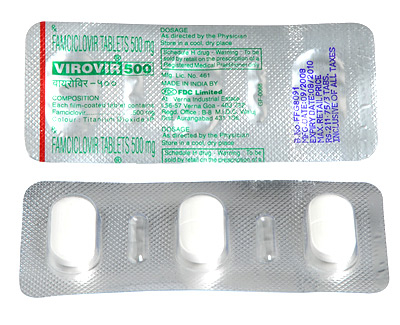
Famciclovir serves as an excellent alternative to aciclovir and valaciclovir for treating herpes infections. This medication demonstrates particular effectiveness against herpes zoster and offers convenient twice-daily dosing for most conditions. Famciclovir is especially suitable for patients who may not respond optimally to other antiviral treatments or require alternative therapeutic options.
Zanamivir, marketed as Relenza, is an inhaled antiviral medication reserved for specific influenza cases where oseltamivir may not be suitable. This treatment is particularly valuable for patients with oseltamivir-resistant flu strains or those experiencing adverse reactions to oral antivirals.
Most antiviral medications require a valid NHS or private prescription from a registered healthcare provider. Availability may vary depending on seasonal demand, particularly during flu outbreaks, and some treatments may require specialist consultation for appropriate prescribing.
Adherence to prescribed dosage schedules is crucial for antiviral effectiveness and preventing treatment resistance. Each medication has specific timing requirements and dosage intervals that must be maintained throughout the treatment course. Never adjust dosages independently, and always consult your pharmacist or GP if you're uncertain about your medication schedule. Missing doses can significantly reduce treatment efficacy and may lead to prolonged illness or viral resistance development.
Treatment duration varies significantly depending on the specific viral infection and medication prescribed. Cold sore treatments typically require 5-day courses, whilst genital herpes may need 3-10 days depending on whether it's a first episode or recurrent outbreak. Shingles treatment usually spans 7-10 days, and influenza requires 5 days of consistent medication use for optimal results.
Completing the entire prescribed course is essential, even when symptoms begin improving. Stopping antiviral treatment prematurely can lead to viral rebound, where the infection returns with greater severity. Full treatment courses ensure maximum viral suppression and reduce the likelihood of developing drug-resistant viral strains that could complicate future treatments.
Early intervention is critical for antiviral success, with most medications showing optimal results when started within 24-48 hours of symptom onset. For recurrent conditions like cold sores, beginning treatment at the first tingling sensation maximises therapeutic benefit and symptom reduction.
Store antiviral medications according to package instructions, typically in cool, dry conditions away from direct sunlight. Most tablets should be kept at room temperature, whilst some formulations may require refrigeration.
Antiviral medicines may cause various side effects depending on the specific medication and individual patient factors. Common reactions include nausea, headaches, dizziness, fatigue, and gastrointestinal upset. Some patients experience skin rashes, changes in appetite, or sleep disturbances. Most side effects are mild to moderate and typically resolve once treatment is completed. However, severity and frequency can vary significantly between different antiviral agents and treatment regimens.
Antiviral medications can interact with numerous other medicines, including blood thinners, seizure medications, and certain antibiotics. Some antivirals may affect kidney or liver function, making them unsuitable for patients with existing organ impairment. Always inform your healthcare provider about all current medications, including over-the-counter drugs, herbal supplements, and vitamins before starting antiviral treatment to avoid potentially dangerous interactions.
Pregnant and breastfeeding women require careful assessment before using antiviral medications. Some antivirals are considered safe during pregnancy, whilst others may pose risks to the developing baby. Healthcare providers will weigh the benefits of treatment against potential risks. Many antiviral drugs can pass into breast milk, so nursing mothers should discuss treatment options thoroughly with their GP or specialist.
Extended antiviral therapy may require regular monitoring through blood tests to check liver and kidney function. Some medications need periodic assessment of blood cell counts or electrolyte levels. Your healthcare provider will establish an appropriate monitoring schedule based on the specific antiviral prescribed and your individual health status and risk factors.
Contact your healthcare provider immediately if you experience severe side effects, signs of allergic reactions, or worsening symptoms during treatment. Seek urgent medical advice for unusual bleeding, persistent vomiting, severe skin reactions, or any concerning changes in your condition whilst taking antiviral medications.
Vaccination remains the most effective preventive measure against many viral infections, including influenza, COVID-19, hepatitis, and human papillomavirus. The NHS provides comprehensive vaccination programmes for different age groups and risk categories. Regular immunisations help build community immunity and reduce the overall burden of viral diseases. Consult your GP about recommended vaccines for your age group, health status, and travel requirements.
Maintaining a healthy lifestyle can enhance the effectiveness of antiviral treatments and support recovery. Adequate sleep, regular physical activity, stress management, and avoiding smoking and excessive alcohol consumption all contribute to optimal immune function. These lifestyle modifications work synergistically with antiviral medications to improve treatment outcomes and reduce recovery time.
Effective hygiene practices significantly reduce viral transmission risks.
Key measures include:
Proper nutrition supports immune function and aids recovery from viral infections. Focus on consuming adequate protein, vitamins C and D, zinc, and staying well-hydrated. Fresh fruits, vegetables, lean proteins, and whole grains provide essential nutrients. Consider nutritional supplements if dietary intake is insufficient during illness.
Building long-term immunity involves maintaining consistent healthy habits, staying up-to-date with vaccinations, managing chronic health conditions effectively, and following preventive healthcare recommendations. Regular health check-ups help identify and address factors that may compromise immune function over time.